Updated
Public sector websites that every audience can use
A public sector website serves many audiences, has to be accessible and has to fit a tendering process. We design and build it at a fixed price agreed before we start. The price is usually EUR 30,000–70,000 excl. VAT. Accessibility is part of the build, not an extra charge. After launch, Care (Huolenpito) keeps the site working and up to date.
Get a priceTell us what you need
- Over 200 clients
- customer satisfaction
- Over 30 employees
Updated
Do you recognise these situations?
A public organisation’s site seldom serves a single user. These four situations suggest a redesign is due:
- Visitors cannot find information because the site follows the organisation’s structure, not the customer’s view.
- Accessibility is on shaky ground and nobody knows what needs fixing.
- Units, projects and tourism sit on their own sites that look and work differently.
- The renewal has to be put out to tender, and you need a supplier with a clear price and clear terms.
Who the site is for
The site of a city or another public body has several groups of visitors with different needs. A good structure serves all of them.
| Audience | What they look for | What the site needs |
|---|---|---|
| Residents | Services, transactions and current news | Clear structure and working search |
| Businesses | Plots, premises and contact details | Their own content paths and named contacts |
| Newcomers | Housing, jobs and daily life | Listings, stories and tips |
| Visitors | Sights and events | Search and filters that work on mobile |
| Staff | Guidelines and internal services | An intranet or a signed-in area |
What a public sector website includes
Service design and definition
We start from users and goals. We map audiences, content and functions, and agree the metrics. If your organisation already has a requirements specification, we build on it.
Accessibility as part of the build
Accessibility is present in design, build and testing. Requirements are checked for each service, and our page on accessibility explains more.
Content types and blocks
Public sector content is extensive. We build custom content types and blocks that present events, plots, guides and news clearly. For the Ranua site we built almost 20 custom content blocks.

The City of Ranua’s three services run on one shared publishing system.
Search and audience paths
A visitor does not want to learn how the organisation is structured. On the City of Nokia site, a ‘who are you’ interface gives each visitor content paths designed for them. Search by content type and a general search cover the whole network of sites.
Integrations
We connect the site to event, tourism and sign-in systems and to your other systems. At the heart of the Visit Tampere site is destination data fetched through an interface.
What the price depends on
Public sector websites usually cost EUR 30,000–70,000 excl. VAT. We agree a fixed price before we start, and accessibility is part of the build. These factors affect the price:
- number of audiences and sites
- content types and blocks
- integrations
After launch the site needs servers, updates and maintenance. They belong to Care, a fixed monthly price. Further development is a separate, optional agreement.
Tendering and contract
The contracting authority sets the terms and award criteria of a public procurement. We answer them in our bid, and the fixed price makes the bid comparable. A fixed price means a comprehensive agreement in which every point is settled to the letter. Our contract terms are IT2026, which also cover intellectual property rights.
Servers are chosen according to need. By default we use a Finnish provider through us, and the data stays in Finland. Your own environment is possible.
How a project goes
Each phase brings in its own area of expertise. The colour shows which one.
Kickoff
We agree goals, schedule and responsibilities.
Strategy
Definition
Workshops, audiences, content types and a check of accessibility requirements.
Service designStrategy
Design
Structure, interface and audience paths.
Design
Technical build
We build the site and integrations to the agreed definition.
Software development
Content production and acceptance testing
The content goes onto the site and you test the build.
Content
Launch and Care
We launch the site and carry on with maintenance and updates.
Care
Every project includes, for example, interface texts, user training, user guides, proactive project management, workshops, reviews and weekly meetings.
A Website is a Key Priority. Period.
Blog· 3 min read

Mikko Erola
Account Director / Team Lead
Tell us what kind of site your organisation is planning. We will get back to you by the next working day at the latest.
Public sector websites usually cost EUR 30,000–70,000 excl. VAT
We agree a fixed price before we start, and accessibility is part of the build. Get an estimate from the price generator in a few minutes. It does not ask for your contact details.
Public sector website references
See all workNokian kaupunki
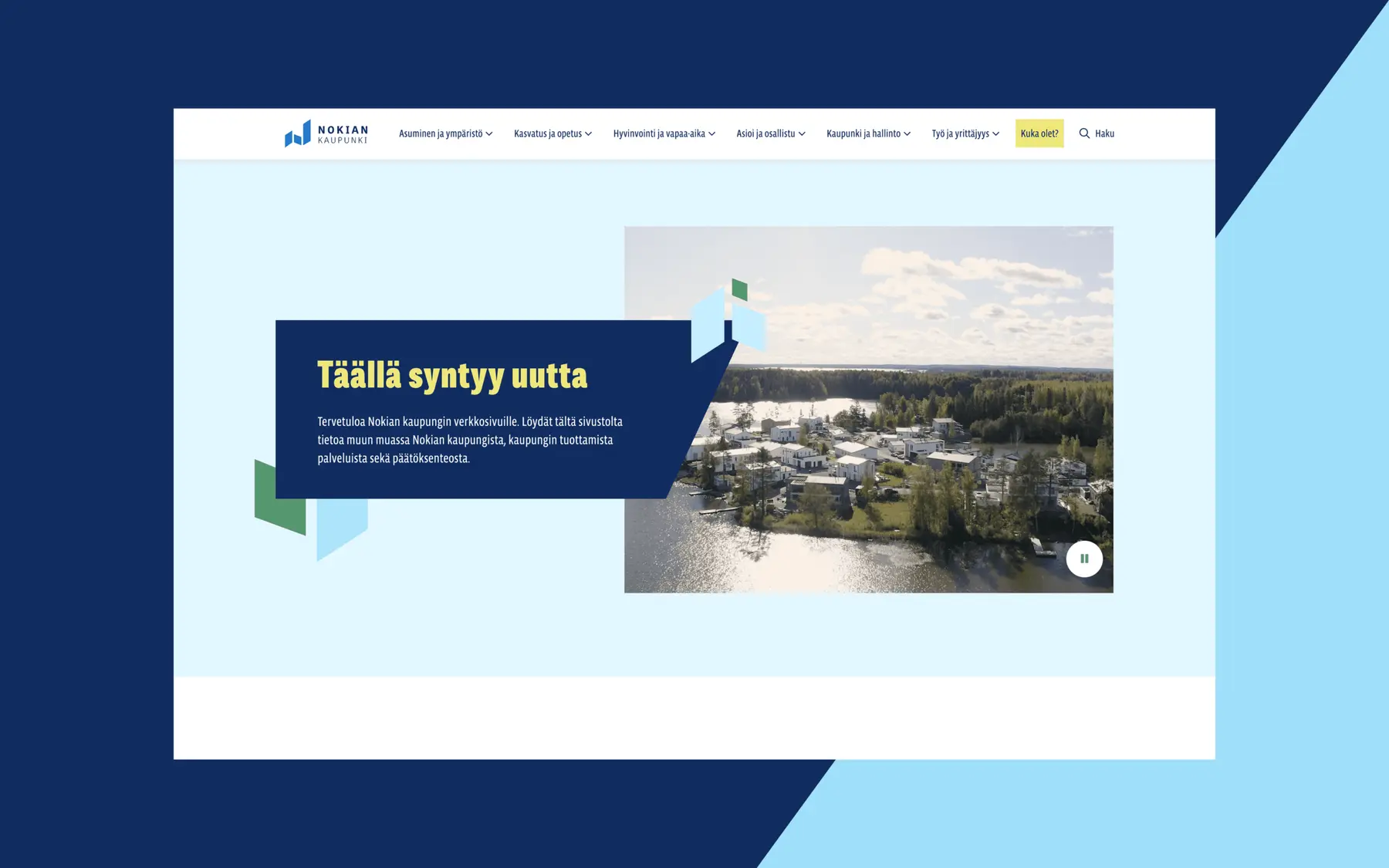
The City of Nokia chose us as its partner to renew its main website, nokiankaupunki.fi, and its tourism website, visitnokia.fi. The partnership began in December 2024. It reached two launches in 2025: the Visit site in April and the main site in October. The collaboration continues with Care (Huolenpito).
City of Ranua
We designed and implemented a completely new website for the City of Ranua. The three-site multisite service was implemented on a shared content management system. The service package includes the following websites: ranua.fi, ranuanlukio.fi and Ranua’s intranet.
Visit Tampere
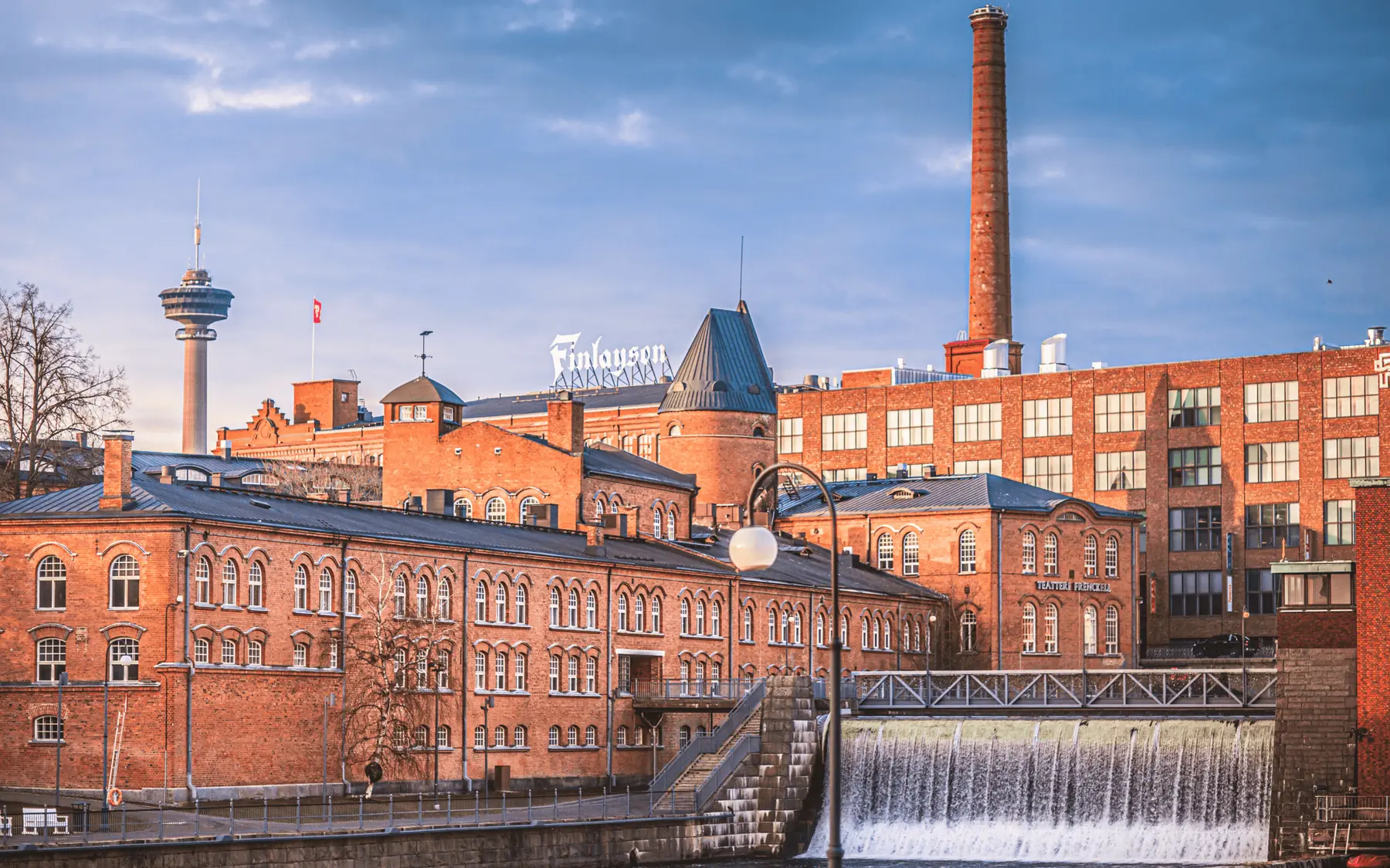
The new visittampere.fi guides and inspires visitors and strengthens Tampere’s appeal as a tourism and event city. Visit Tampere is the City of Tampere’s tourism marketing organisation. It works to make Tampere a more attractive destination at home and abroad. We designed and built the site, and the collaboration continues with Care (Huolenpito) and further development.
Frequently asked questions
How much do public sector websites cost?
Public sector websites usually cost EUR 30,000–70,000 excl. VAT. The price depends on the number of audiences and content types, the number of sites and integrations. We agree a fixed price before we start. Accessibility is not an extra charge. You can estimate the price with the generator in a few minutes. After launch, Care (Huolenpito) keeps the site working and up to date.
Can we tender the website with a price that can be compared?
Yes. A fixed price means a comprehensive agreement in which every point is settled to the letter before we start. We use IT2026 terms, which also cover intellectual property rights. The contracting authority sets the tender terms and award criteria. We answer them in our bid and check the requirements case by case, so the bid matches what was asked.
How is accessibility handled on the site?
Accessibility is part of design and build from the start and is not a separate charge. Requirements have to be checked for each service, and we go through them with you during definition. The result is tested before launch. We have a separate page on accessibility that explains what we do and who the requirements apply to.
How does the site serve many audiences?
We map the audiences during definition and build the content by need as well as by audience. The same information can be found by several routes. On the City of Nokia site, a ‘who are you’ interface gives each visitor content paths designed for them. Search covers the whole network of sites. Residents, businesses and visitors find what they need without knowing how the organisation is structured.
Can an organisation’s several sites share one base?
Yes. The City of Ranua’s three services, the city site, the upper secondary school site and the intranet, run on one publishing system. In Nokia the main site and the tourism site use the same tools with their own look. A shared base eases maintenance and keeps content management the same across services. A new service can be added later.
What do you expect from us during the project?
You provide source material and name content owners in the different units. We shape the content and help to produce it when needed. Otherwise we lead the work and move things forward proactively, so you always know what we deliver and when. Every project includes a kickoff meeting, workshops, reviews and weekly meetings, as well as interface texts, training and user guides.
What happens after launch?
After launch the site moves to Care. A fixed monthly price covers maintenance, updates and servers. The site has a named person responsible. Servers can be in Finland or in your own environment, and we choose according to need. Further development is a separate optional agreement, so costs after launch are predictable and easy to budget.
More website services
Accessibility
A web service everyone can use.
Company websites
A website that brings enquiries and gets found in search.
Multilingual websites
Several markets, brands or languages on one platform.


Read more on this
All articlesBlog
Cybersecurity: The NIS2 Directive Takes Effect in Finland
On April 8, 2025, a new cybersecurity law came into effect in Finland, bringing major changes for hundreds of organisations. This is the national implementation of the EU’s NIS2 Directive. And yes, it may apply to your organisation as well.
15 May 2025 · 3 min read
Blog
Successful Web Service – What is It Like and How Are They Created?
We create successful web services for a living: intuitively usable, visually striking, and technically high-quality websites and online stores. But what makes a successful web service and how are they created? In this article, we cover seven areas: purpose and goals, service design, content, usability, technical implementation, data and analytics, and ongoing maintenance and development.
11 Dec 2024 · 5 min read
Blog
The EU and UX Dark Patterns – Manipulative Design Practices Under Regulation
“UX dark pattern” refers to a manipulative design practice within a digital service’s user interface. Like accessibility and cybersecurity, these design practices have become a focus of EU regulation. The regulation addresses how websites and applications may guide users in unethical ways. The goal is to protect the user’s sense of autonomy when using online services.
15 May 2025 · 3 min read