Updated
Continuous development, so your web service keeps improving after launch
Continuous development means improving your web service in a planned way after launch. It is a separate optional monthly agreement alongside Care (Huolenpito), and its price is agreed according to need before the contract starts. Development targets six areas: search visibility, growth, user experience, security, innovation and integrations. Every change goes into a shared development queue, and you know the price before we build anything.
Get a priceTell us what you need
- Over 200 clients
- customer satisfaction
- Over 30 employees
Updated
Do you recognise these situations?
Launch is only the beginning. A web service that is not developed slowly falls behind its environment, its users and the business. These four situations are common:
- You have ideas for improvement, but they do not progress because nobody is responsible for making them happen.
- Small changes are left undone because each one has to be agreed and priced separately.
- Search behaviour and user expectations change, but the site stays the same.
- You cannot tell in advance what development will cost, so it keeps being postponed.
- Your partner does not offer proactive ideas and suggestions.
What each person needs
Continuous development serves different people in the company in different ways.
| Role | What they need | What continuous development needs to offer |
|---|---|---|
| Management | Visible benefit and predictable costs | A monthly agreement or fixed-price packages |
| Marketing and web lead | Quick improvements for daily needs | A shared development queue and monthly meetings |
| IT and procurement | Security and clear responsibilities | Security and integration development, and a written agreement |
The six areas of continuous development
Development is not everything at once. Each month we choose together the areas that have the greatest effect on your business success. The same budget produces more value when we do more, more precisely and better.
Search visibility (SEO, GEO)
We keep content, speed and technical basics, such as the sitemap and metadata, in step with changes in search engines. We offer wider SEO and AI visibility services together with Parvi.
Growth
The business changes, and the web service has to change with it. We add new functions, content and pages when there are grounds for the measures.
User experience
We test and optimise how the service works, based on user feedback and measurement data. Even small improvements to the buying path or to forms can increase enquiries.
Security and performance
We renew outdated code and solutions that may cause a security risk or slow the service down. Security is always taken into account, but over time the structure needs renewing too.
Innovation
We add features that make the service modern and trustworthy. With the help of AI we can try out and build ideas faster. We choose for piloting the innovations with the most potential.
Integrations and automation
We connect the web service to other systems, such as customer relationship management and payment solutions. Automation reduces manual work and keeps information up to date.
How development moves through the queue
We recommend a shared development queue that we plan every month and go through in monthly meetings. You can add your own wishes, and we add our proposals. A single development task proceeds like this:
Need
You tell us what you want to improve, or we propose an improvement based on measurement data.
Strategy
Preliminary specification and price
We describe the change and agree its price before we build it.
Service design
Decision
You decide whether the change is made now, later or not at all.
Strategy
Implementation and testing
We build the change and test it.
Software development
Acceptance and release
You accept the result, and we release the change.
Care
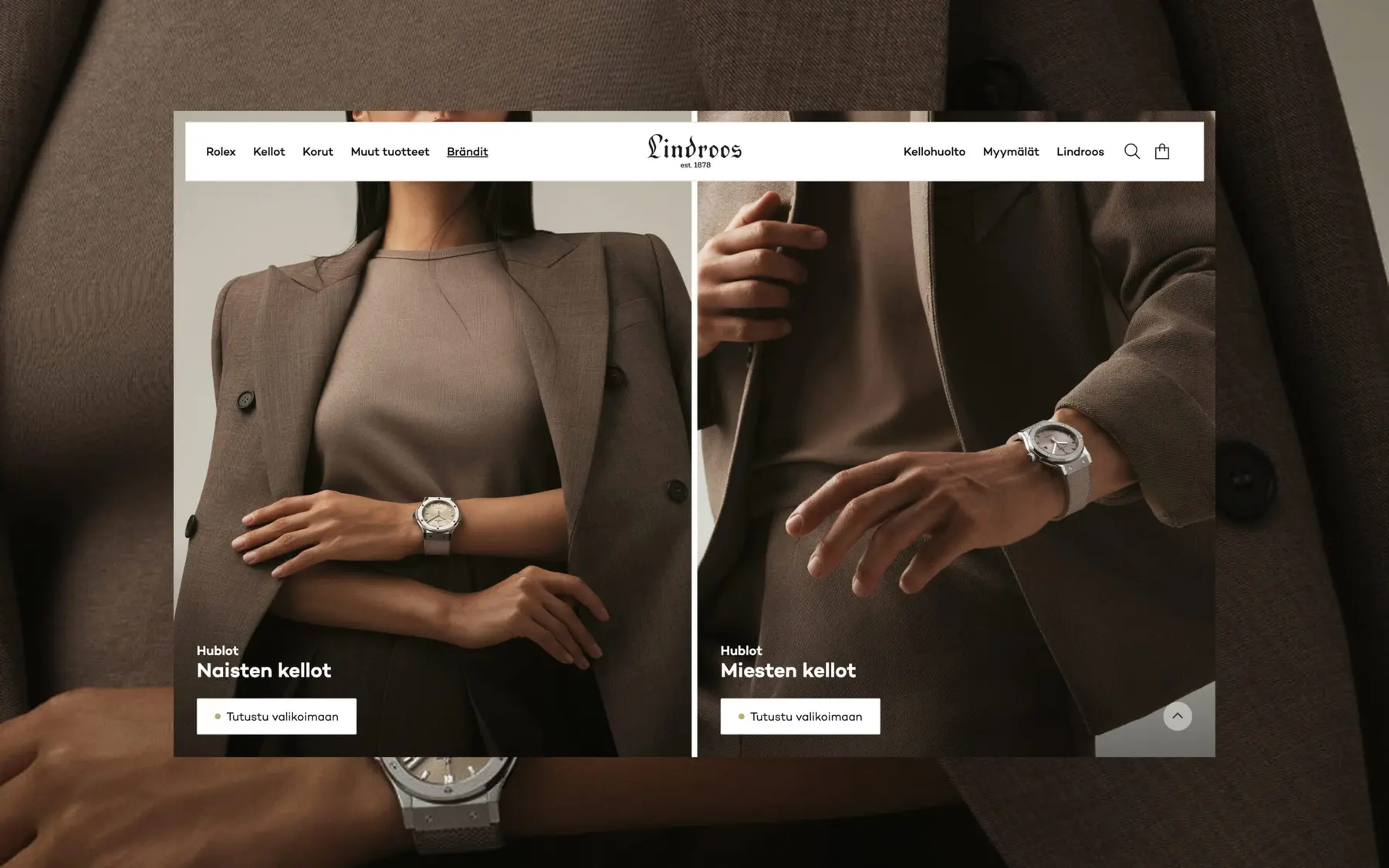
For the Lindroos webshop we analyse how the service works, and we make improvements in development periods all the time.
How small unplanned changes are handled
A small change does not need a project of its own. It goes into the development queue, and we agree one of two things: either the change fits within the agreed monthly retainer agreement or we agree a separate fixed price for it before we build it. The invoice is not based on the time actually spent but on the price agreed in advance.
What the price depends on
Continuous development is priced either per development item or through a monthly retainer agreement. These factors affect its price:
- the areas to be developed and their extent
- the form of agreement: a monthly agreement or fixed-price packages
- size and structure of the service
- number of integrations and third-party interfaces
- how often the development queue is planned
Care has its own fixed monthly price: EUR 150-250/month excl. VAT for a basic website and EUR 200-400/month for a large website, webshop or web application. A fixed maintenance agreement costs no more than that. If you need more, we agree it separately. You can read more on the Care page and the Care prices page. Measurement is covered on the measurement page.
Why is Now The Perfect Time To Revamp Your Website, Not Later?
Blog· 2 min read
A Website is a Key Priority. Period.
Blog· 3 min read

Mikko Erola
Account Director / Team Lead
Tell us what you would like to develop. We will get back to you by the next working day at the latest.
The monthly price of continuous development is agreed before the contract
Continuous development is work priced per development item, and you know the price before the development is done. Care costs EUR 150-250/month excl. VAT for a basic website and EUR 200-400/month for a large one.
Continuous development references
See all workDiak
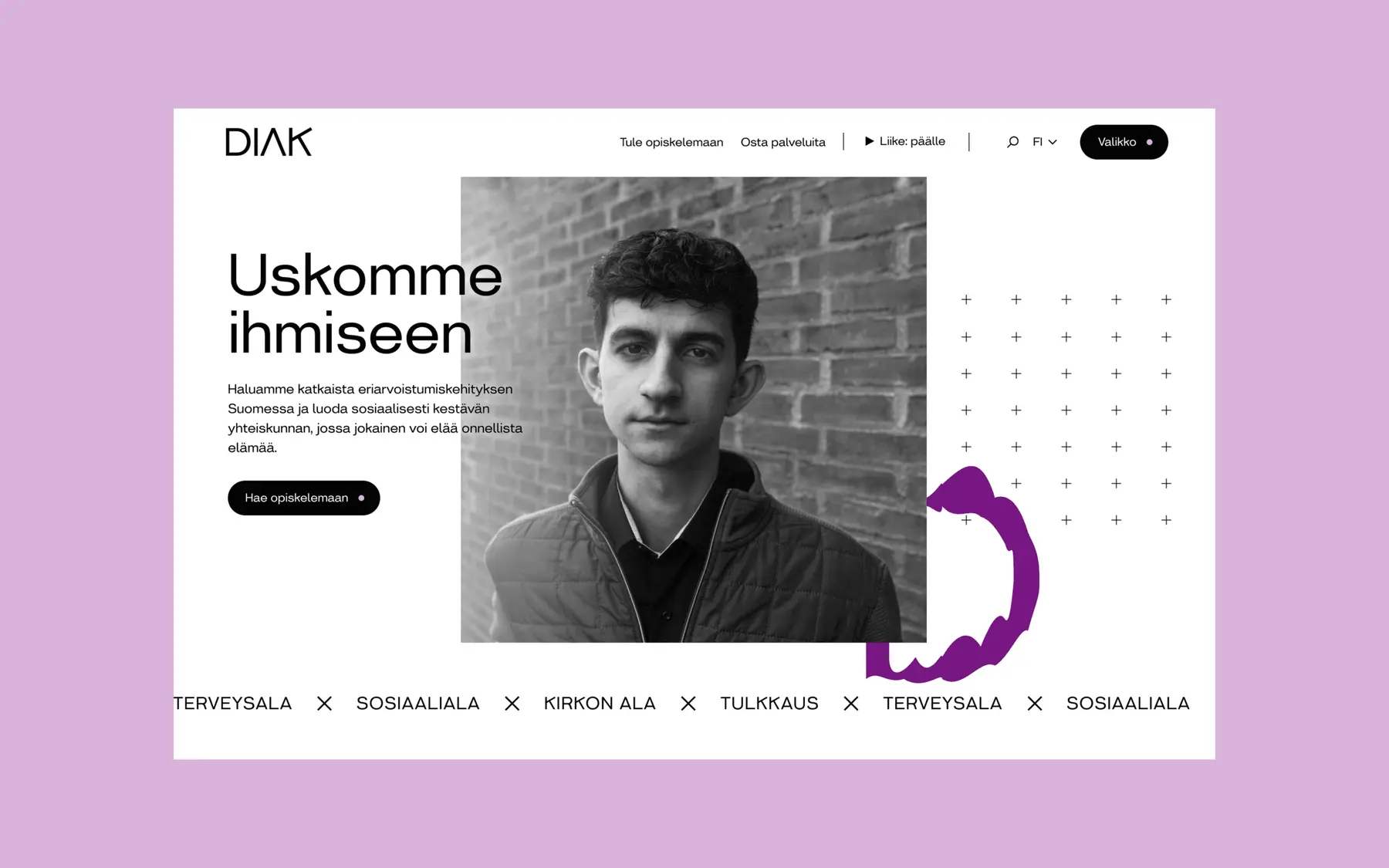
In the joint application round that ended in March 2026, the number of applicants who chose Diak as their first choice grew significantly. Diakonia University of Applied Sciences (Diak) is a university of encounter, focused on social services, health care, the church and interpreting. We designed and built the new diak.fi. Our work continues as maintenance and further development.
Lindroos
Founded in 1878, Lindroos is a family-owned company and reseller in the watch and jewelry industry. Its flagship store has been located on Aleksanterinkatu in Helsinki since 1890. In addition, Lindroos operates two stores at Helsinki-Vantaa Airport and three others in downtown Helsinki. Our task was to design and implement a globally accessible online store that complements the physical stores, enhancing the brand’s customer experience comprehensively.
Visit Tampere
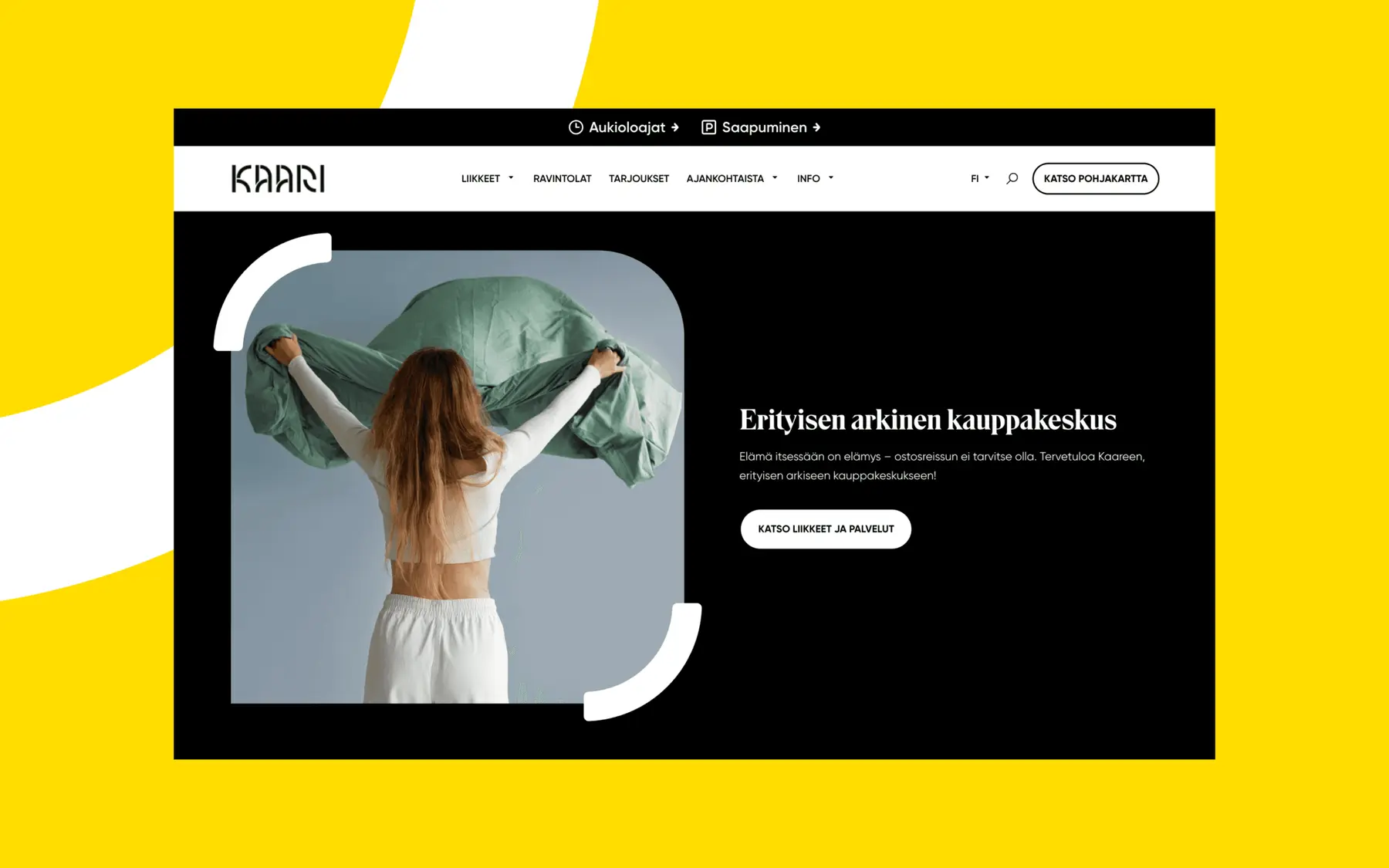
The new visittampere.fi guides and inspires visitors and strengthens Tampere’s appeal as a tourism and event city. Visit Tampere is the City of Tampere’s tourism marketing organisation. It works to make Tampere a more attractive destination at home and abroad. We designed and built the site, and the collaboration continues with Care (Huolenpito) and further development.

Frequently asked questions
How much does continuous development cost?
Continuous development is done as needed, with pricing per development item. You therefore know the price in advance, and no invoice arrives afterwards as a surprise. It depends on which areas you develop and how widely. Care has its own fixed monthly price, which is EUR 150-400/month excl. VAT depending on the size of the site.
Is continuous development billed by the time spent?
We do not talk about time spent but about value produced. From our shared work queue you can see what is completed during the month or what a single change costs.
How are small unplanned changes handled?
A small change, such as a text correction or an extra form field, is entered into the development queue. Either it fits within the agreed monthly scope or we agree a fixed price for it before we build it. Nothing is invoiced afterwards according to work done, so you know the price before you decide to go ahead.
Is continuous development part of Care?
No, it is sold separately as an optional monthly agreement. Care covers maintenance, updates and servers as well as basic measurement, and every service has a named responsible person. You can start continuous development straight away or later, when you need it. That way you pay for development only when you actually commission it, and your costs stay predictable.
What is the development queue?
The development queue is a shared list of development ideas and fixes for the service. We plan it together every month and go through it in monthly meetings. Both your wishes and our proposals go into it. Measurement data helps us order the queue so that whatever produces the most value is done first. That way development stays planned and does not proceed at random.
Do you develop services you did not build?
Yes. Care and continuous development apply to websites, webshops and web applications even when somebody else built them. In a takeover we first study the current state and agree responsibilities. Documentation is not a precondition. Development can begin once the service is safely in Care. That way a service built by another supplier can also be developed in a planned way.
More Care services
Measurement and reporting
See what happens in the web service and what produces results.
Care prices
A fixed monthly price and what it is made of.

Read more on this
All articlesBlog
Here’s How We Leverage AI In Designing and Developing Successful Web Services
Artificial intelligence can significantly streamline the web service design process and improve the quality of the final outcome. We’re just at the beginning of this journey, but in this article, we’ll showcase the AI solutions we’ve already implemented in design, content creation, personalization, software development, testing, and user analytics and ongoing development. AI doesn’t create successful web services for us, but it’s already a powerful tool across nearly every stage.
11 Dec 2024 · 3 min read
Blog
Cybersecurity: The NIS2 Directive Takes Effect in Finland
On April 8, 2025, a new cybersecurity law came into effect in Finland, bringing major changes for hundreds of organisations. This is the national implementation of the EU’s NIS2 Directive. And yes, it may apply to your organisation as well.
15 May 2025 · 3 min read
Blog
Successful Web Service – What is It Like and How Are They Created?
We create successful web services for a living: intuitively usable, visually striking, and technically high-quality websites and online stores. But what makes a successful web service and how are they created? In this article, we cover seven areas: purpose and goals, service design, content, usability, technical implementation, data and analytics, and ongoing maintenance and development.
11 Dec 2024 · 5 min read