Updated
Guide · Websites
Buyer’s guide: why website strategy matters
A website project needs the same strategic focus as any other part of business development. If you want results, don’t go in unprepared. What does strategic planning mean, and why is it worth the investment?
Updated
Often the user’s first contact with a brand has already happened somewhere else. The website’s job now is to serve that user as well as it can.
Need help?
If you’d like to talk about the strategic planning of your website, we’re only a click away.
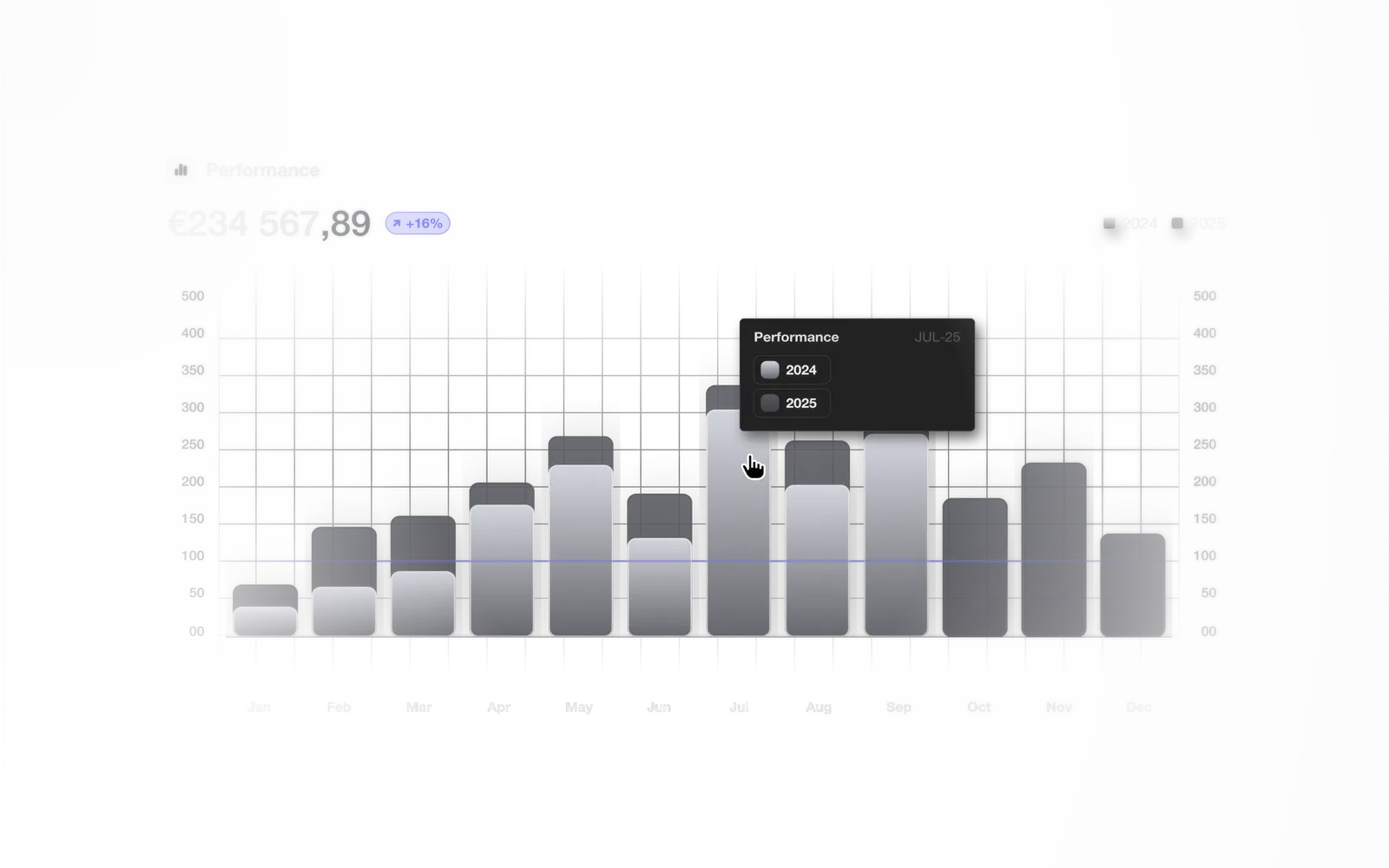
Why is strategic planning essential?
The website plays a big role today, and that role keeps changing. Google’s AI Overviews, zero-click searches and the many routes from social media and AI search are changing how people relate to websites. Often the user’s first contact with a brand has already happened somewhere else. The website’s job now is to serve that user as well as it can.
Without this understanding and strategic planning, a website is just a pile of pages, views and features. They don’t guide, serve or convince anyone. A well-planned website, on the other hand:
- Supports business goals. Whether that means sales, lead generation or a stronger brand.
- Offers the best possible user experience. Information is quick to find, navigation is easy and the content meets the user’s needs.
- Is optimised for search engines. It brings in traffic even without a large advertising budget.
- Is technically sustainable and scalable. It works reliably now and adapts as the company grows or technology changes.
- Builds competitive advantage. Standing out and offering a distinctive customer experience improve results.
Who are your customers? How do they use your website, or how would they like to?
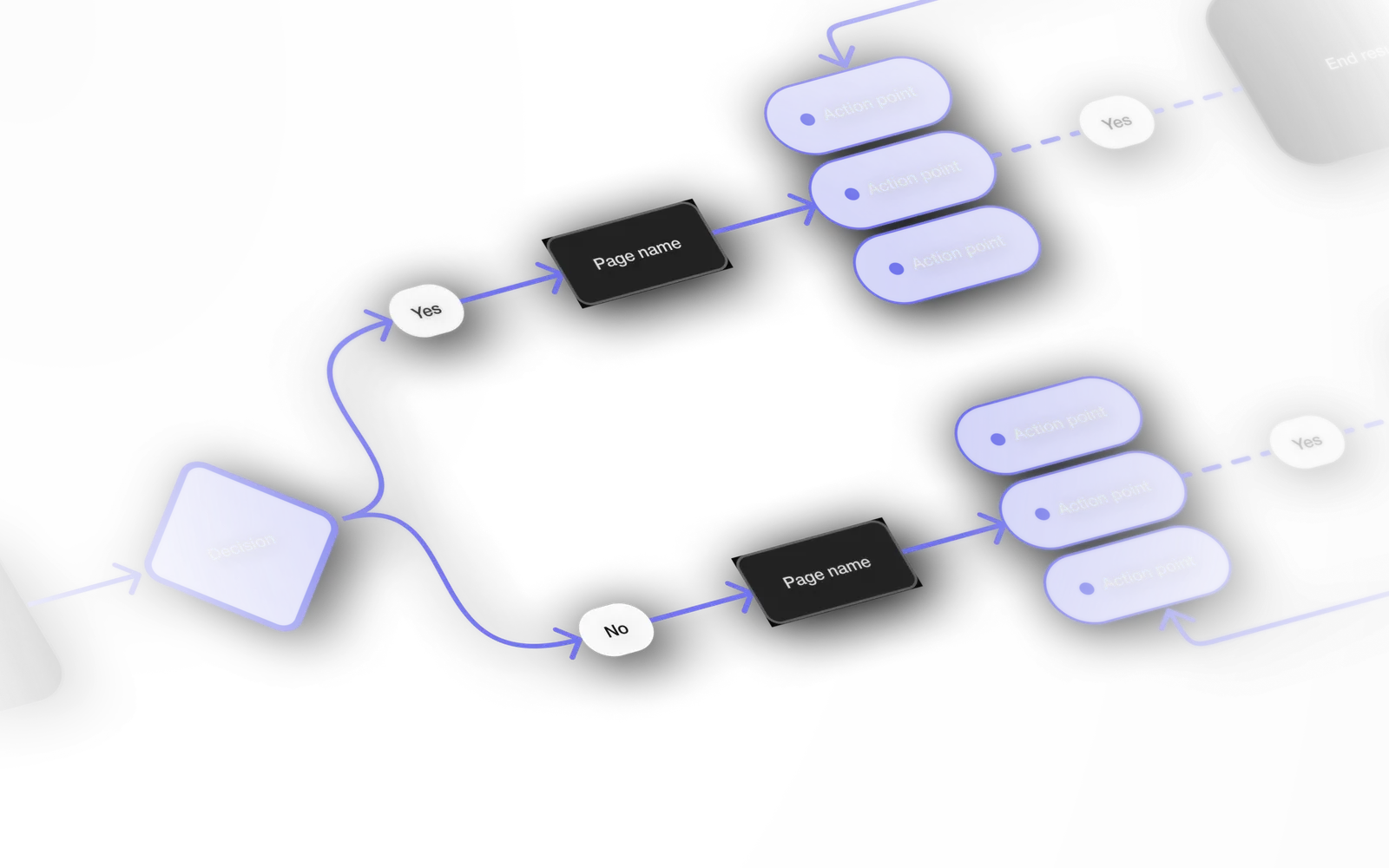
How does strategic website planning work?
In every project, the strategic planning of a website covers at least the following topics:
1. Understanding the business and the target audiences
Website planning starts with analysing business goals and the target audience. Who are your customers? How do they use your website, or how would they like to? What are their pain points?
Answering questions like these guides the whole design process.
2. Competitor analysis
Analysing competitors’ websites, and their digital presence more broadly, shows how the market usually operates. The key things to look at are:
How do competitors attract and engage visitors?
Which keywords and content do they use?
How are the usability and conversion paths of their websites designed?
But remember: if you imitate a competitor, the best you can achieve is results as good as theirs. We don’t want that. We want you to do better.
3. Information architecture and user journeys
A well-designed website guides the user towards conversion. That requires a clear information architecture and carefully defined user journeys:
What content are users looking for?
Where do they arrive from, and how do they move around the site?
How can we improve their experience?
Where and how do we prompt users to act?
4. Search engine optimisation and performance
A website is no use if nobody finds it. Being found no longer means just visibility on Google. AI search services and large language models (LLMs) also gather and recommend content in their answers. So the site’s content and structure must be easy to interpret for both traditional search engines and AI.
The right keywords, strategically planned and carefully placed
A reliable, secure and fast architecture that supports both SEO and AI content retrieval
User-centred content that engages, prompts action and gives clear, precise answers to people and AI.
5. Analytics and tracking
A website’s performance has to be measured and improved all the time. Tools such as Google Analytics, SEMRush, Hotjar and Search Console help track visitor behaviour and optimise the site:
Which content performs best?
Where do users come from, and how do they move around the site?
Which elements drive the most conversions?
How are our rankings for important keywords developing?
So strategic planning is a prerequisite for a website that delivers results. Once the strategic planning has been done carefully, we move on to service design.
This article is part of our Buyer’s guide series. In it, we collect tips for the people responsible for buying a web service, whether that’s a website, a webshop or a web app.
Related
Whole guideFAQ
Can we update the site ourselves after the project?
Absolutely. WordPress is built so that you can update content extensively without any technical skills. At the end of the project we train you to manage the site, so you can start on your own straight away.
FAQ
How long does a website project take?
A typical project takes 4–8 weeks. Larger undertakings, such as online shops or multi-site websites, can take 3–9 months. We always agree the schedule at the start of the project, and we keep to it.
FAQ
What phases does a website project have?
A website project has six phases: 1) kick-off, 2) specification and design, 3) technical build, 4) content entry and acceptance testing, 5) final testing and launch, and 6) Care (Huolenpito), meaning further development and maintenance.
Want help with your decision?
Tell us your situation. We will get back to you by the next working day at the latest.