Updated
Guide · Websites
Buyer’s guide: the phases of a website project
A website project is a software project. It only succeeds with a solid project plan, clear phases and a schedule. We build websites ranging from small sites to large platforms. What phases do these successful projects go through?
Updated
2. Specification and design
This is the single most important phase of a website redesign that delivers results. Here we pin down what we’ll build, why and how.
- Strategic planning
- Service design
- Design
- Written specification
Most of the work is our own independent work, plus workshops with the client where we present our proposals and outputs.
Concrete outputs of this phase include:
- A written specification that describes the planned content modules and integrations in words
- A content and URL structure plan
- Content types and content classifications, or taxonomies
- A user journey plan
- A measurement plan
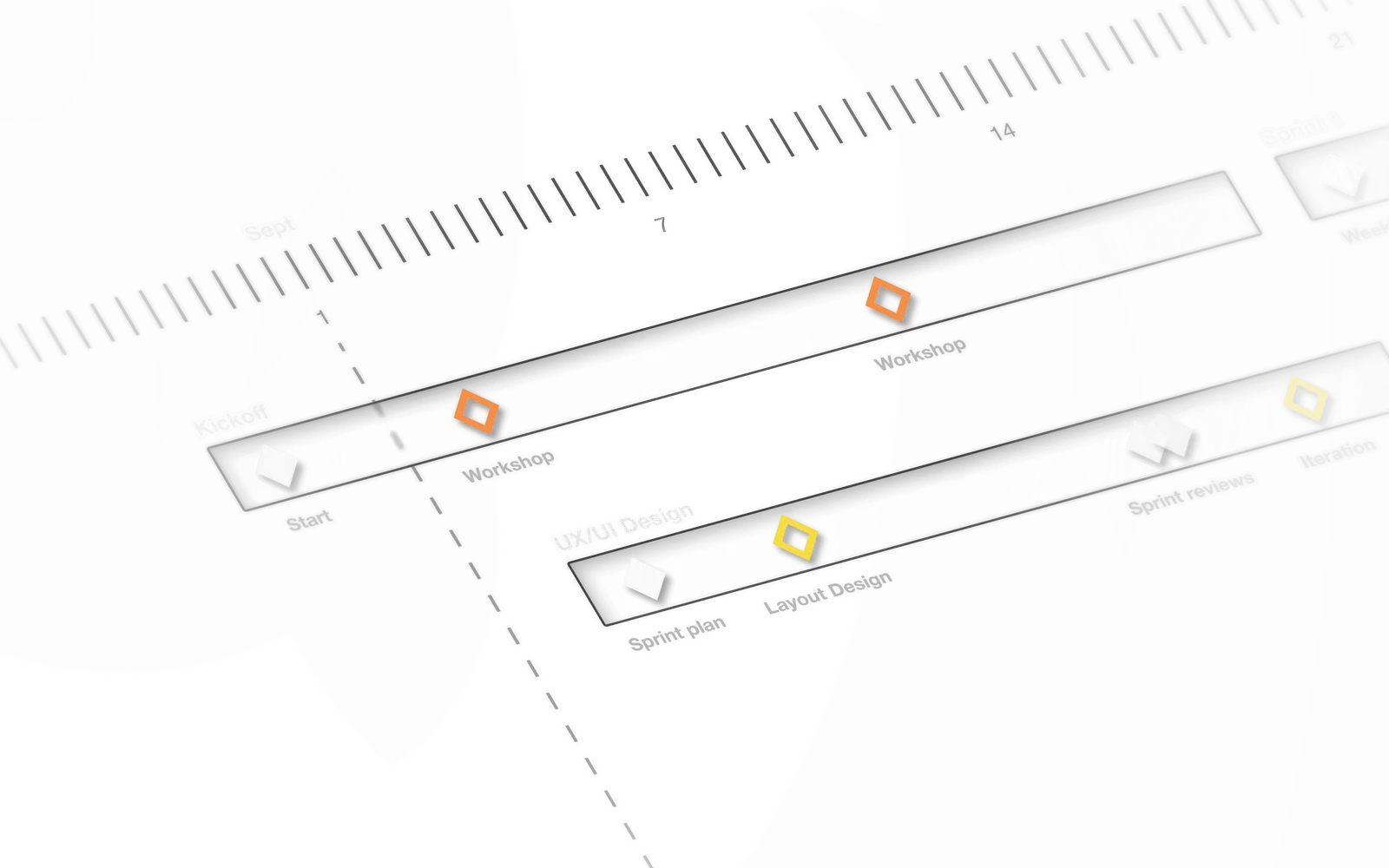
The phase runs in two-week sprints, one topic at a time. For each topic we specify, design, document, iterate and get the outputs approved before moving on to the next.
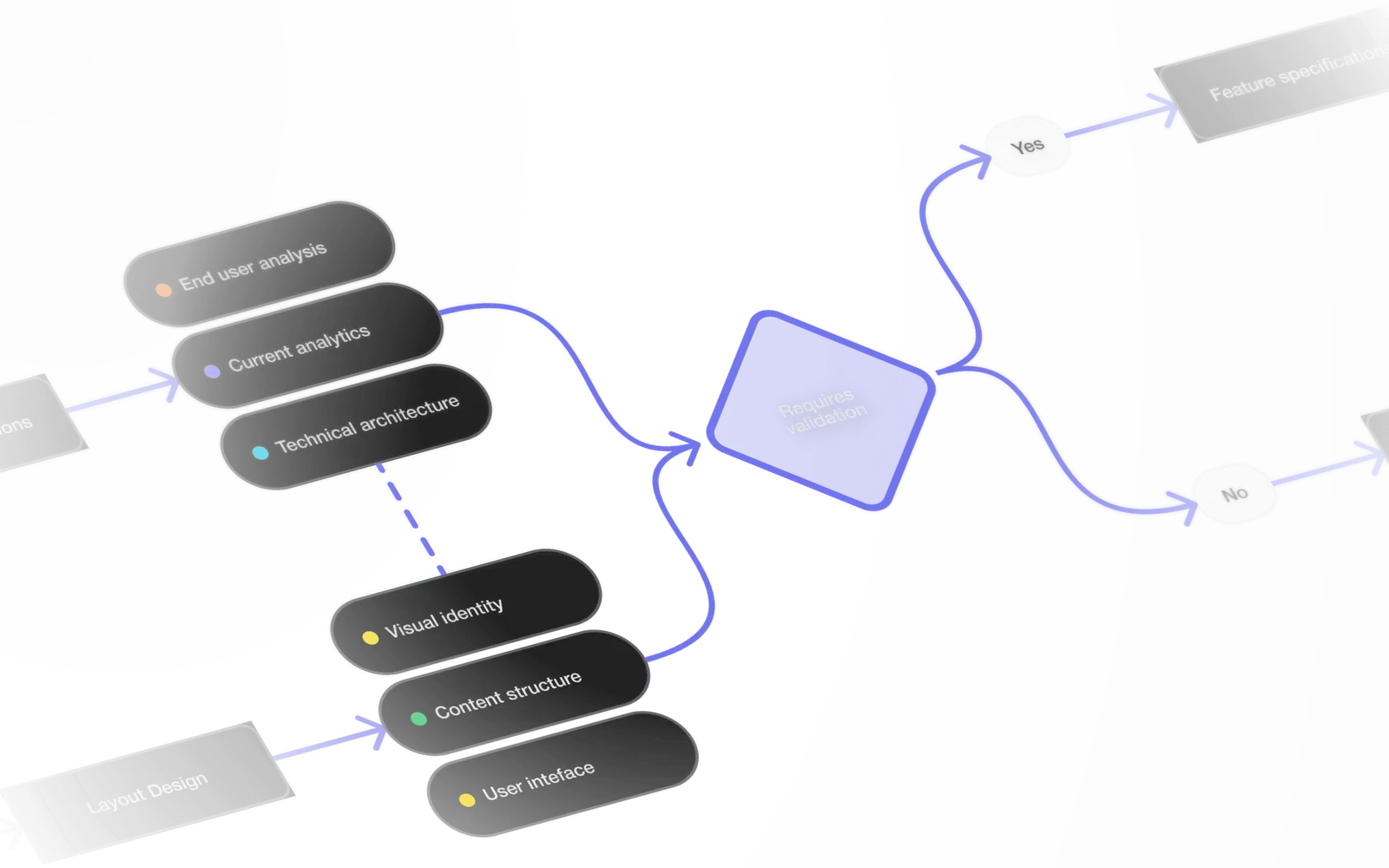
Every plan is based on the client’s request for proposal.
We check every plan against the client’s request for proposal. That makes it easier to spot and document any additional work during the phase.
3. Technical build
Once the specifications and designs are approved, software development begins.
In this phase we create the development backlog, the queue of work tasks. The backlog holds every view and feature designed in the previous phase. It also covers tasks such as setting up the site architecture and testing.
We estimate the effort for each task in detail and then development starts. Again, in two-week sprints. The sprints are planned and delivered one topic at a time.
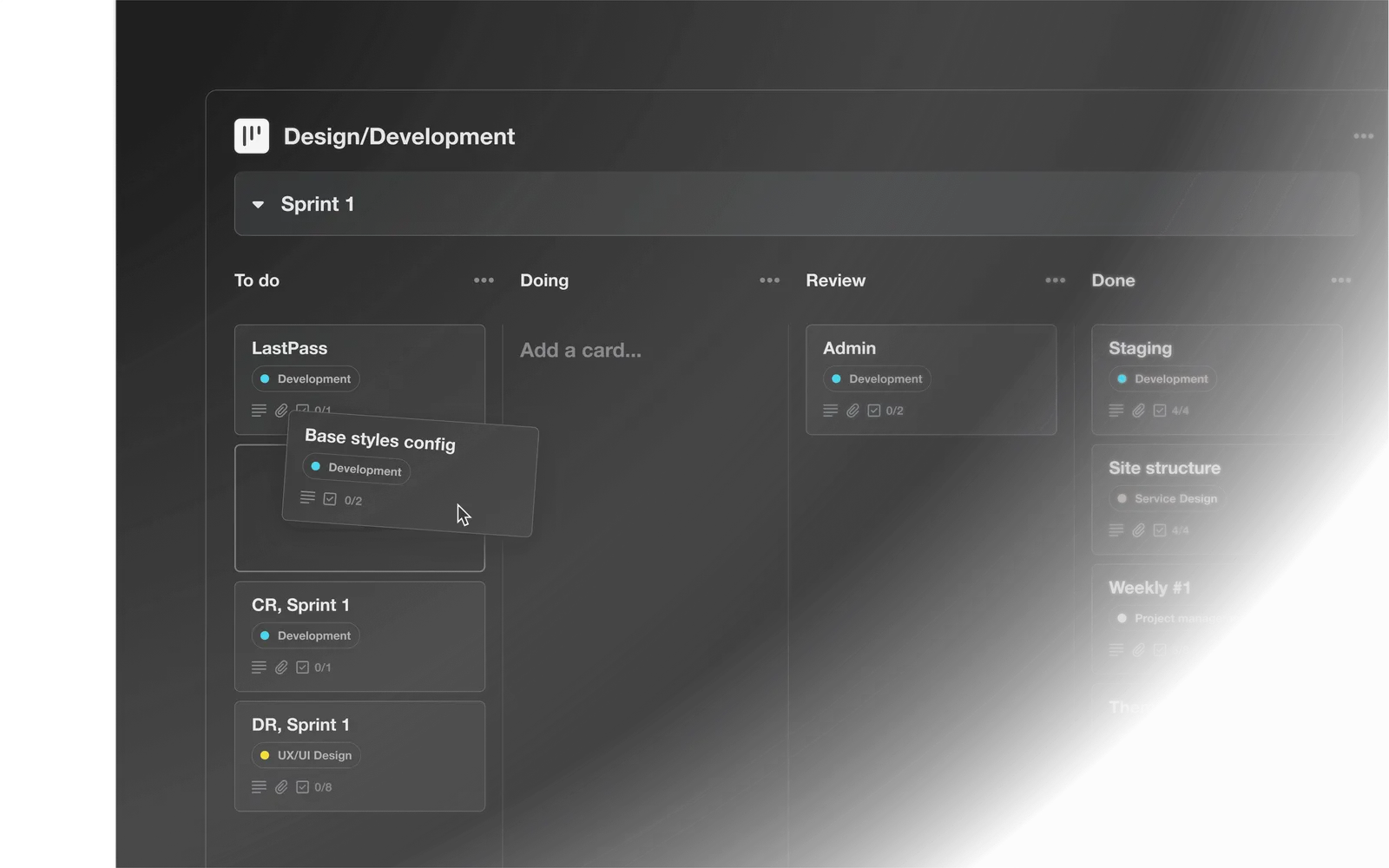
During the development sprints, each technical task goes through this process:
- Technical build
- Deployment to the test environment
- Testing
- CR (Code Review) by the lead developer
- DR (Design Review) by the lead designer
- Approval
- Ready to show the client
- Demo to the client
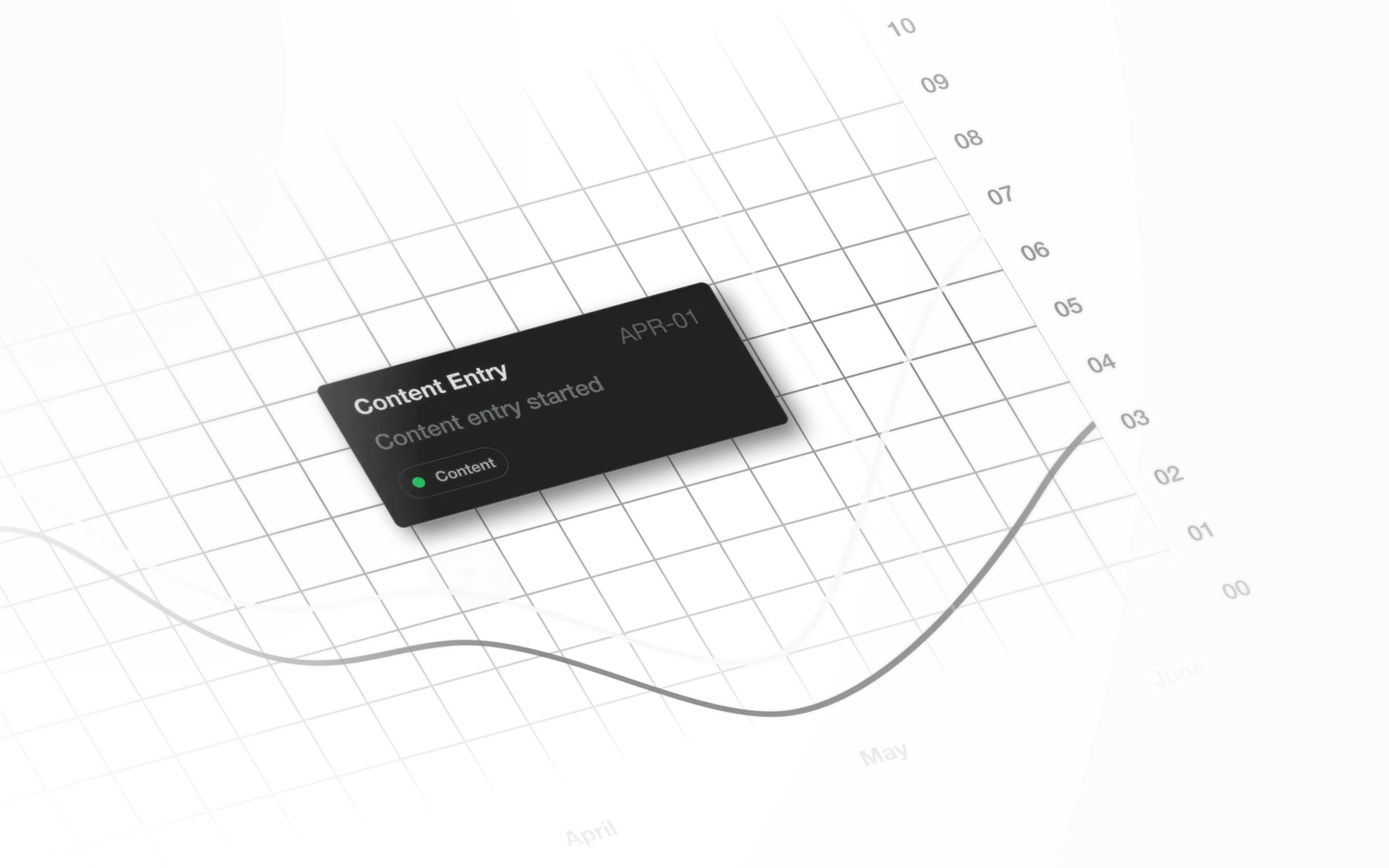
We demo technical outputs to our client every two weeks, partly for content management reasons. That way the client can start entering content while the site is still being built, not only afterwards.
The two-week development sprints continue until every technical task has been completed and shown to the client.
4. Final testing
Before we hand the site over to the client for acceptance testing and content entry, we run final testing. It confirms that everything works as designed after the tests run during the sprints. This phase includes:
- Functional testing
- Browser testing
- Accessibility testing
- Performance testing
- Integration testing and error handling
For quality assurance, both here and during the build, we use Code Review, Quality Assurance, Code Linting and Design Review.
5. Content entry and acceptance testing
It makes sense for the client to run acceptance testing during content entry, when they are actually using the website.
Acceptance testing
The client tests the site against the written specifications and design documents approved during the project.
Acceptance testing works like this:
- We set up a test environment that matches production for the client to use
- Testers go through pre-agreed test cases and also test freely while entering content
- Findings are logged in an acceptance testing sheet we prepare
- We go through the logged findings together in a meeting
Every finding is fixed before the service goes live. Issues are handled through this process:
- Identifying and documenting the bug (client)
- Implementing the fix (us)
- Code review (us)
- Retesting (us)
- Final approval (client)
Content entry
We aim to make the admin interface of the new site as clear and intuitive as possible. Even so, we actively look after our client during content entry.
During the project we train the client’s user groups in content entry. Typically there are at least two groups: administrators and content editors.
We make sure people know how to enter content through:
- Content entry training sessions
- Daily support meetings during content entry
- Retrospectives on the training for two weeks after content entry
- User guides in video and text
6. Launch
The site goes live according to a carefully prepared launch schedule.
The launch phase includes preparation, the launch itself and post-launch testing. After that, the project or that part of it has been delivered. We can move on to continuous development and maintenance.
We usually carry out the launch together with any third parties involved, such as DNS administrators. The client doesn’t need to take an active part in the launch steps.
A launched website is an important new asset. It is also only the start of the partnership.
7. Care
The project has ended. The partnership hasn’t.
We aim for long-term partnerships with our clients. We share the view that a launched website is an important new asset, but also only the start of working together. We want to support our clients over the long term and proactively, creating value that can be shown.
So the client relationship doesn’t end when the delivery project is done. It carries on as a long-term partnership that keeps developing. We put effort into active communication, continuous development and client satisfaction, so the website keeps supporting the client’s business as well as possible.
In our experience, we have to act as a proactive development partner, not just react to client requests. That’s why we commit to bringing development ideas to our joint development meetings, from several angles:
- Trends and best practice. The latest technologies, developments in UX/UI design, automation and optimisation
- Legislation and requirements. Accessibility and data protection, for example
- Content and user experience
- Features and integrations
- Data and analytics
Care (Huolenpito) also includes ongoing customer support and maintenance of the service, of course:
- Proactive monitoring that keeps the service fast and secure
- Quick fixes for critical errors or urgent changes
- Daily support for the client’s administrators
- WordPress updates (including plugins)
Summary
It may sound easy. It only is if each phase of the website project gets real attention, including from a project management point of view.
Best regards, Isto
This article is part of our Buyer’s guide series. In it, we collect tips for the people responsible for buying a web service, whether that’s a website, a webshop or a web app.
Related
Whole guideFAQ
Can we update the site ourselves after the project?
Absolutely. WordPress is built so that you can update content extensively without any technical skills. At the end of the project we train you to manage the site, so you can start on your own straight away.
FAQ
How long does a website project take?
A typical project takes 4–8 weeks. Larger undertakings, such as online shops or multi-site websites, can take 3–9 months. We always agree the schedule at the start of the project, and we keep to it.
FAQ
What phases does a website project have?
A website project has six phases: 1) kick-off, 2) specification and design, 3) technical build, 4) content entry and acceptance testing, 5) final testing and launch, and 6) Care (Huolenpito), meaning further development and maintenance.
Want help with your decision?
Tell us your situation. We will get back to you by the next working day at the latest.